
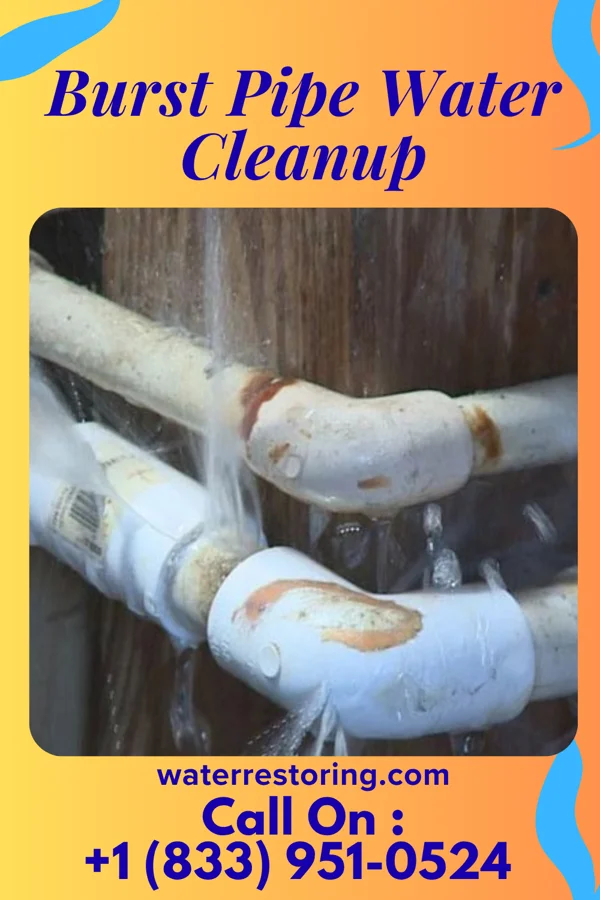
Woodland Park Burst Pipe Damage: What Owners Should Know
Residential or commercial, water damage emergencies in Woodland Park keep coming back to the same drivers. Woodland Park, Nebraska, experiences a higher risk of burst pipes due to its rural setting and aging infrastructure, particularly in older homes with outdated plumbing systems. The area's fluctuating temperatures, especially during seasonal changes, can cause pipes to expand and contract, increasing the likelihood of cracks and bursts. sits at the top of the list. A close second is The presence of underground water sources and the potential for frozen ground in winter months contribute to additional pressure on pipes, making burst pipe incidents more common in Woodland Park. Additionally, the lack of regular maintenance in some rural properties exacerbates this risk..
Woodland Park's climate, characterized by cold winters and warm summers, creates conditions that are particularly conducive to pipe bursts. The combination of temperature extremes and the area's rural layout means that homeowners must be vigilant about pipe maintenance and insulation.
Water damage in Woodland Park follows a few local patterns. Woodland Park, Nebraska, experiences a higher risk of burst pipes due to its rural setting and aging infrastructure, particularly in older homes with outdated plumbing systems. The area's fluctuating temperatures, especially during seasonal changes, can cause pipes to expand and contract, increasing the likelihood of cracks and bursts. accounts for the bulk of our calls. Woodland Park's climate, characterized by cold winters and warm summers, creates conditions that are particularly conducive to pipe bursts. The combination of temperature extremes and the area's rural layout means that homeowners must be vigilant about pipe maintenance and insulation. Woodland Park's humidity levels, particularly during late spring and summer, can accelerate mold growth after a burst pipe. Prompt water extraction and drying are crucial to prevent long-term damage and health risks.